ONDA Treatment in Korea What to Know Before You Go
ONDA treatment Korea is a non-invasive body contouring procedure that uses focused ultrasound waves to permanently destroy fat cells beneath the skin, making it a go-to for stubborn areas like the belly and thighs. Unlike surgery, it requires no downtime, so you can literally book a session during a lunch break and head straight back to your daily routine, with results gradually appearing over a few weeks. The real kicker is that it tightens skin while melting fat, giving you a smoother, more sculpted shape without needles or incisions—just a handheld device gliding over the target zone. For best outcomes, you’d typically attend 2 to 3 sessions spaced a month apart, letting your body naturally flush out the broken-down fat.
What Exactly Is ONDA and Why Is It a Game-Changer in Seoul?
Walking into a Seoul clinic, you’re not promised magic—you’re promised a machine that finally matches the city’s fast-paced beauty standards. ONDA is a microwave-based body and face contouring device that delivers focused energy deep beneath the skin, heating fat cells to 45–50°C while cooling the surface so you feel nothing but warmth. In Seoul, where lunch breaks are scarce and results are expected quickly, ONDA changes everything: the treatment takes under 15 minutes, requires zero downtime, and you can literally walk back to work with a flushed face instead of bandages. Because Korean clinics prioritize natural, subtle changes, ONDA’s ability to tighten skin and reduce localized fat without surgery fits perfectly—no needles, no anesthesia, just a wand gliding over your jawline or belly. *Q: Why is ONDA considered revolutionary in Seoul?* A: Because it delivers visible tightening and fat reduction in one quick session, making it the go-to for busy locals who want discreet, immediate improvement.
Understanding the Microwave-Based Body Contouring Technology Behind the Name
ONDA’s mechanism hinges on focused microwaves that selectively heat the deep dermis and subcutaneous fat to a precise temperature, bypassing the surface skin. This controlled thermal energy triggers immediate collagen contraction and remodeling, while simultaneously inducing apoptosis in fat cells. Unlike laser or ultrasound, the microwave’s wavelength is optimized for uniform volume heating across a broader tissue plane, making it effective for areas with thicker fat. Understanding the microwave-based body contouring technology behind the name clarifies why results appear gradually: the body clears disrupted fat via lymphatic drainage over weeks. One session’s collagen tightening may be subtle, but cumulative treatments yield measurable circumference reduction without suction or needles. The real-time cooling system protects the epidermis, allowing comfortable, downtime-free sessions.
How ONDA Differs from Cryolipolysis, Ultrasound, and RF Treatments
Unlike cryolipolysis, which freezes fat cells for gradual apoptosis, or ultrasound/RF devices that rely on thermal injury to trigger collagen contraction, ONDA employs selective dielectric heating. Its 2.45GHz microwaves penetrate the dermis and subcutaneous fat, raising adipocyte temperature to 60°C in a controlled, non-invasive burst—destroying fat cells immediately while preserving nerves and skin. This is a crucial distinction: RF heats broadly and painfully, ultrasound requires deep focal points, and cryolipolysis risks paradoxical hyperplasia. ONDA’s real-time thermal feedback also allows customized energy delivery per body contour, something fixed-tip competitors lack. The result is a single-session reduction of localized fat and simultaneous skin tightening, whereas other modalities typically demand six to eight spaced visits for comparable outcomes. In Seoul’s fast-paced aesthetic market, this efficiency is the core edge.
How ONDA differs from cryolipolysis, ultrasound, and RF treatments boils down to mechanism, speed, and thermal precision. Cryolipolysis only affects fat, not skin laxity; ultrasound targets muscle or deep fat but risks burns; RF tightens skin but offers negligible fat reduction. ONDA uniquely melts fat and lifts tissue in one pass—clinically observed after one 60-minute session. For patients seeking a lunchtime alternative to surgery in Gangnam clinics, this difference is decisive: fewer visits, zero downtime, and visible firmness within three weeks, unlike the delayed, partial outcomes of competitors.
**Q: Is ONDA truly faster than cryolipolysis or RF for visible body contouring in Seoul?**
A: Yes—most patients report measurable inch ONDA lifting seoul loss and skin tightening after one ONDA session, while cryolipolysis requires 8–12 weeks for fat clearance and RF alone may never meaningfully reduce fat volume.

How Does the ONDA Procedure Work on Stubborn Fat and Skin?
The ONDA procedure in Korea targets stubborn fat and skin laxity by delivering focused microwave energy through a cooled handpiece, selectively heating the deep dermis and subcutaneous fat to 70°C without harming the surface. This precise thermal shock triggers immediate contraction of collagen fibers, visibly tightening skin, while simultaneously inducing apoptosis—programmed fat cell death—in resistant pockets like the abdomen, thighs, and arms. Over the following weeks, the body’s lymphatic system naturally flushes out the destroyed fat cells, while new collagen production continues, improving elasticity and texture. Unlike invasive liposuction, ONDA’s monopolar emission penetrates deeper than radiofrequency, making it effective for firm, fibrous fat that resists diet and exercise. Each session typically requires 20–30 minutes, and most Korean clinics recommend 1–3 treatments spaced four weeks apart for optimal contouring and skin retraction, with results peaking at three months post-procedure.
The Role of 2.45 GHz Microwaves in Selective Adipose Tissue Heating
The ONDA procedure leverages 2.45 GHz microwaves to exploit the dielectric contrast between adipose tissue and water-rich skin layers. At this frequency, electromagnetic energy penetrates to a controlled depth where fat cells exhibit higher susceptibility to dielectric loss, converting microwave radiation into targeted heat. This selective heating raises lipid temperature to approximately 45–50°C, inducing apoptosis without exceeding the thermal threshold of surrounding dermal collagen. The result is **precise volumetric fat reduction** while the skin remains largely unaffected, preventing thermal injury. Critically, the 2.45 GHz frequency allows for real-time impedance monitoring, enabling adjustable energy delivery that maintains selectivity across varying subcutaneous thicknesses, ensuring consistent adipocyte disruption even in fibrous or denser fat compartments.
What Happens During a Session: From Cooling to Controlled Thermal Damage
During an ONDA session in Korea, the applicator first delivers a cooling pulse to the epidermis, numbing the surface and protecting it from heat. Immediately after, a focused microwave beam penetrates the dermis and subcutaneous layer, raising the temperature of stubborn fat cells to a precise 45–50°C. This controlled thermal damage selectively disrupts adipocyte membranes without harming surrounding skin, nerves, or muscle. You will feel a warm, deep pressure rather than pain, and the cooling system activates in alternating cycles to maintain comfort. The entire process—from initial cooling to targeted heat delivery—takes roughly 30 minutes per area, after which the body naturally metabolizes the damaged fat cells over weeks.
Controlled thermal damage ensures that fat is destroyed while skin remains intact, triggering collagen remodeling for firmer texture.
Q: How does the session balance cooling and heating to avoid burns?
A: The device’s real-time thermal sensors monitor skin surface temperature, automatically adjusting the cooling spray and microwave emission so that deep fat reaches the target temperature while the epidermis stays safely chilled.
What Results Can You Realistically Expect from ONDA in Korea?
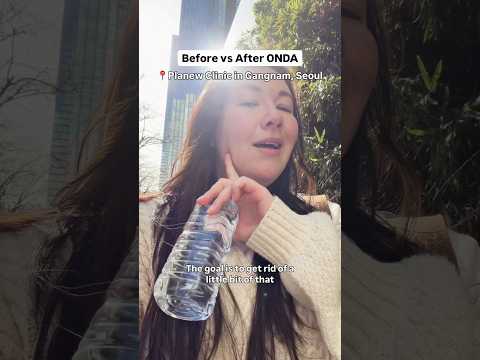
With ONDA treatment Korea, you can realistically expect a gradual reduction in subcutaneous fat, particularly along the lower face, jawline, and abdomen, rather than dramatic weight loss. Most patients notice initial skin tightening and a subtle contour shift after one session, but optimal results from ONDA treatment Korea appear after a series of 2–3 appointments spaced 3–4 weeks apart. The device’s cool-sculpting effect targets fat cells without damaging the dermis, so you will not see bruising or downtime, but you must maintain a stable weight to preserve outcomes. Visible fat layer thinning typically peaks at 8–12 weeks post-treatment, with collagen remodeling continuing for several months. Expect firmer skin texture and a modest reduction in jowl fullness, though results remain subtle—not equivalent to surgical liposuction.
Fat Reduction Timelines and Skin Tightening Effects After 2–3 Sessions
After 2–3 ONDA sessions in Korea, most patients notice the first measurable fat reduction timeline around the three-week mark, though the most visible thinning of the treated zone emerges between weeks four and six. Skin tightening effects follow a slightly slower curve because collagen remodeling peaks near the eight-week point. Crucially, post-session skin tightening after 2–3 treatments appears as a gradual lifting sensation—not immediate—with the dermis firming noticeably by the second month. Do not expect dramatic contour changes after session two; instead, anticipate a steady 15–20% reduction in fat layer thickness by week six, paired with a subtle but real improvement in skin laxity that continues for up to twelve weeks. Consistency between sessions dictates whether that timeline accelerates or stalls.
Measuring Success: Waist Circumference Changes and Skin Elasticity Gains
For ONDA in Korea, success is measured tangibly, not by vague promises. Clinically, waist circumference changes and skin elasticity gains appear on different timelines; you may see a firmer, lifted contour within three to six weeks as collagen remodels, while measured centimeter loss around the waist typically peaks around eight to twelve weeks post-treatment, after your body metabolizes disrupted fat cells. *Skin elasticity, however, improves more subtly—you’ll notice pinch-test rebound and less crepey texture before the tape measure budges, because dermal tightening lags behind fat reduction.* Pair these metrics with consistent hydration and a stable weight, since fluctuations skew your progress data.
Q: How do I track these two ONDA results without obsessing over the scale?
A: Use a fabric tape at the navel each week (same time, empty stomach), and photograph a side-bend skin pinch monthly—elasticity gains show as fewer vertical wrinkles when you lean forward, not in inches.
How to Choose the Right Clinic for ONDA in Korea
When selecting a clinic for ONDA treatment in Korea, prioritize those with a dedicated RF microneedling protocol rather than a generic device menu, as the ONDA’s unique fractionated bipolar energy requires calibrated depth settings for safe skin contraction. Verify the practitioner’s hands-on experience by requesting before-and-after photos of Korean skin types, specifically for laxity around the jawline and décolletage, since ONDA’s efficacy hinges on precise epidermal cooling and energy delivery. Ask whether the clinic performs a patch test on your inner arm—this is non-negotiable for assessing your pain tolerance and thermal response before committing to a full session. Choose a facility that offers a personalized treatment plan with a visible thermal camera assessment, not just a standard package, because ONDA results are highly dose-dependent. Also confirm the device’s firmware is updated, as older software compromises the 1.7MHz frequency’s penetration. Be skeptical of clinics that promise dramatic lifting after one sitting, as genuine collagen remodeling typically requires three spaced sessions with interval checks. Ultimately, book a consultation where the doctor, not a sales consultant, manually evaluates your tissue thickness—this determines whether the clinic is truly adapting ONDA to your anatomy, not just “doing a procedure.”
Key Equipment Variations: Sizing Up the Applicator’s Contact Area and Power Output
When evaluating clinics for ONDA in Korea, scrutinize the applicator’s contact area and power output, as these directly dictate treatment speed and depth. A larger contact tip covers more tissue per pulse, reducing session time, while a smaller tip allows precise sculpting for delicate zones like the lower eyelids. Power output, measured in watts, determines how aggressively the radiofrequency heats deep dermal layers without burning superficial skin. Clinics should offer adjustable settings, not a fixed protocol. Choosing adjustable power and interchangeable applicators ensures your practitioner can tailor energy delivery to your skin thickness and tolerance. Ask for a live demonstration of the device’s interface—if the staff cannot explain the wattage range or tip sizes, move on. Higher wattage is not inherently better; it requires simultaneous cooling to prevent downtime.
- Confirm the number of interchangeable tips available.
- Request the exact wattage range used for your skin type.
- Verify the device displays real-time impedance and contact feedback.
Questions to Ask Before Booking: Pain Levels, Anesthesia Needs, and Practitioner Experience
Before locking in your ONDA appointment in Korea, ask directly about pain levels during and after treatment—some clinics offer numbing cream, others rely on cooling tips, and the difference matters for your comfort. Clarify whether anesthesia is topical, injectable, or optional, since deeper settings may require more than surface relief. Also, request the practitioner’s exact number of ONDA procedures performed, not just years in aesthetics. A doctor who has done 500 sessions will adjust power and passes differently than one who has done 50. Finally, ask how they handle sensitive zones like the jawline or under-eyes, since pain tolerance varies there.
Always confirm pain expectations, anesthesia type, and the practitioner’s hands-on ONDA case count before booking.
What Are the Best Practices for Prepping and Recovering from ONDA?
Before your ONDA session in Korea, hydration is your first ritual—drink extra water for two days, and avoid alcohol, saunas, and aggressive exfoliation to let your skin’s barrier stay calm. Clinics in Seoul often advise arriving with a clean face, no makeup, and skipping retinoids or acids for 48 hours. During the procedure, you’ll feel heat, but the real work starts after: immediate cooling with a cold pack for 20 minutes reduces swelling, and sleeping on your back with an extra pillow for the first night minimizes fluid buildup. For the next week, use only gentle cleansers and thick moisturizers, and shield your face from sun with SPF50+ even indoors. Korean dermatologists also recommend avoiding strenuous exercise and hot showers for 3–5 days, while lymphatic massage—offered at many Gangnam clinics—can speed up the elimination of fragmented fat cells. Stick to this rhythm, and your skin’s tightening becomes visible by week three.
Do’s and Don’ts Before Your Appointment: Hydration, BMI Suitability, and Fasting Myths
Before your ONDA session in Korea, sip water steadily all day, not just right before—hydration boosts skin elasticity for better energy delivery. Don’t chug a liter in one go, since a bloated stomach can shift treatment focus. For BMI suitability for ONDA treatment, know that clinics typically assess candidates under 30–35; a higher BMI may require more passes or a frank consult about realistic fat-reduction goals. Skip the fasting myth entirely—you don’t need an empty stomach, and skipping meals can make you dizzy on the table. Do eat a light meal an hour prior; avoid caffeine and alcohol for 24 hours to prevent excess fluid retention.

Hydrate gradually, confirm your BMI fits the range, eat lightly, and ignore any fasting rules—your ONDA prep is about steady habits, not extremes.
Post-Treatment Care Tips to Maximize Fat Metabolism and Minimize Bruising
To maximize fat metabolism after ONDA in Korea, treat the treated area like a furnace that needs stoking—schedule light walking within 24 hours to boost lymphatic drainage, but skip intense cardio for 3 days to avoid inflammation. **Consistent hydration (2 liters daily)** flushes broken-down fat cells while reducing bruise visibility. Apply cold compresses for 10 minutes hourly on day one to constrict capillaries, then switch to warm packs on day two to disperse pooled blood. Avoid alcohol, NSAIDs, and saunas for a week; they slow lipolysis and prolong discoloration. Sleep elevated the first two nights. Strategic rest-activity balance is your core lever.
Q: How soon after ONDA can I resume exercise to boost fat metabolism without worsening bruises?
A: Start with gentle walks immediately after treatment. For high-impact workouts, wait 72 hours—this allows microcirculation to clear debris, while light movement keeps fat metabolism humming and prevents blood stasis that darkens bruises.
Who Is an Ideal Candidate—and Who Should Skip This Microwave Treatment?
The ideal candidate for ONDA treatment in Korea has mild-to-moderate laxity, usually in the lower face or jawline, and wants a gentle, no-downtime tightening boost—think early sagging or thicker skin that responds well to heat. You’re a good fit if you can commit to two or three sessions spaced out, since results build gradually. Skip this microwave treatment if you have severe, heavy skin sagging needing surgical lift, as ONDA won’t deliver dramatic tightening. Also, avoid it if you have active acne, open wounds, or if you’re pregnant—the heat can irritate or pose risks. I’d add that if you’re expecting a facelift effect, you’ll likely feel underwhelmed, but for subtle refresh on a busy schedule, it’s a solid choice. In Korea, clinics often screen for fat thickness, so thin-skinned individuals may not see much benefit.
Skin Laxity, Localized Fat Pockets, and the Role of Age in Final Outcomes
Skin laxity and localized fat pockets respond unevenly to ONDA, with the final outcome heavily influenced by age-related collagen reserves. Younger candidates, typically under 40, possess higher dermal elasticity, allowing the microwave energy to tighten loose tissue more effectively and reduce stubborn fat pockets with less retraction lag. In older individuals, diminished elastin and slower metabolic turnover mean the same treatment may resolve fat pockets but leave noticeable laxity, requiring additional tightening modalities. Age directly dictates the balance between fat reduction and skin contraction, so realistic expectations hinge on biological age, not just body mass index. Microwave-induced collagen remodeling peaks in the 30s and declines progressively, making results less dramatic after 50.
Q: Does ONDA shrink fat pockets without worsening skin laxity in older patients?
A: No—older patients often see fat reduction but may need a supplementary skin-tightening procedure because the microwave’s thermal effect cannot fully compensate for age-related collagen loss.
Contraindications and Safety Warnings: Is It Safe for Your Skin Type and Body Area?
Contraindications and safety warnings for ONDA in Korea depend on your skin type and targeted body area. This microwave treatment is not suitable for very dark or tanned skin due to melanin absorption risks, and it should not be applied over tattoos, metal implants, or active skin infections. Avoid treating areas with varicose veins, recent scars, or keloid-prone zones, as heat dispersion may worsen these conditions. For the face, extreme caution is required around the eyes and thyroid; for the body, the neck and chest are off-limits due to thin skin. Pregnant women and individuals with pacemakers must skip ONDA entirely.
- Not safe for Fitzpatrick skin types V–VI or freshly sunburned areas.
- Do not use on skin with broken barrier, eczema, or rosacea flare-ups.
- Skip if you have neuropathy, poor circulation, or use anticoagulants.
- Never apply over bony prominences like the shins or collarbone.
How to Combine ONDA with Other Aesthetic Procedures for Superior Results

For superior outcomes with ONDA treatment Korea, sequence it strategically with complementary modalities. Pair ONDA’s deep dermal heating with immediate radiofrequency microneedling to target superficial texture while ONDA remodels fat and tightens collagen. In Korean clinics, clinicians often combine ONDA with focused ultrasound for dual-layer skin laxity correction, ensuring the ONDA session precedes ultrasound to allow thermal energy to prime the tissue. Alternatively, layer ONDA with injectable polynucleotides or PDO threads two weeks apart—this boosts fibroblast activity without overloading inflammation. For combining ONDA with other aesthetic procedures, always reserve ONDA for the same-day first step when using topical numbing or mild chemical peels, as the heat enhances penetration without compromising barrier recovery. This integrated sequencing—common in Seoul’s advanced protocols—yields tighter, smoother skin than either treatment alone.
Pairing ONDA with RF Tightening or HIFU for Face and Body Synergy
Pairing ONDA with RF tightening or HIFU creates a layered approach where ONDA’s microwave energy targets deep subcutaneous fat while RF or HIFU simultaneously contracts collagen fibers in the dermis. For the face, this synergy addresses volume reduction and laxity in one session, with ONDA typically applied first to heat adipocytes, followed by RF/HIFU to tighten the superficial musculoaponeurotic system. On the body, clinicians prioritize ONDA over thicker fat pads, then use RF to firm the overlying skin, minimizing post-contour sagging. The sequence is: ONDA’s bulk heating before thermal skin tightening; then apply RF/HIFU at lower fluence to avoid overheating; finally, cool the area to protect nerves. This combination yields more pronounced lifting on the jawline, neck, and abdomen than either modality alone.
- Assess fat thickness with ultrasound to set ONDA’s depth.
- Deliver ONDA pulses to the target fat layer.
- Immediately follow with RF/HIFU at 1.0–1.5 MHz focusing on the dermal-hypodermal junction.
- Monitor skin temperature to stay below 42°C between passes.
Creating a Maintenance Plan: Nutrition, Exercise, and Follow-Up Scheduling Tips
After completing ONDA sessions in Korea, schedule follow-ups at four-to-six-week intervals to assess collagen remodeling, aligning each visit with your natural skin cycle. For nutrition, prioritize hydration and protein-rich foods—like fish or tofu—to support tissue repair, while limiting sugar and alcohol for two weeks post-treatment to reduce inflammation. Incorporate low-impact exercise, such as walking or yoga, within 48 hours, but avoid intense sweating for three days to protect treated areas. Create a shared calendar with your clinic to book maintenance touches every three months, ensuring consistent follow-up scheduling aligns with seasonal skin stress. Pair these habits with your provider’s recommendations for sustained results.
Maintenance hinges on timed follow-ups every 4–6 weeks, hydration-focused nutrition, and gradual exercise reintroduction to preserve ONDA outcomes.